Classification of Fish Farms
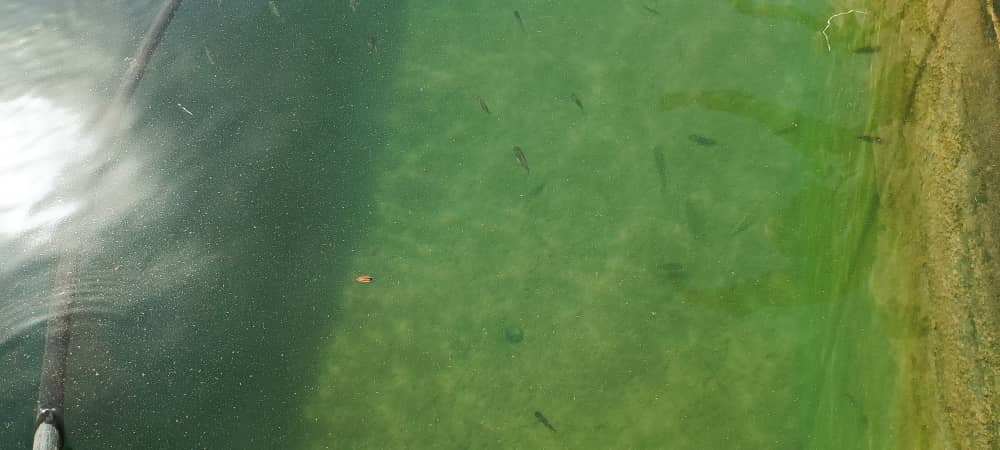
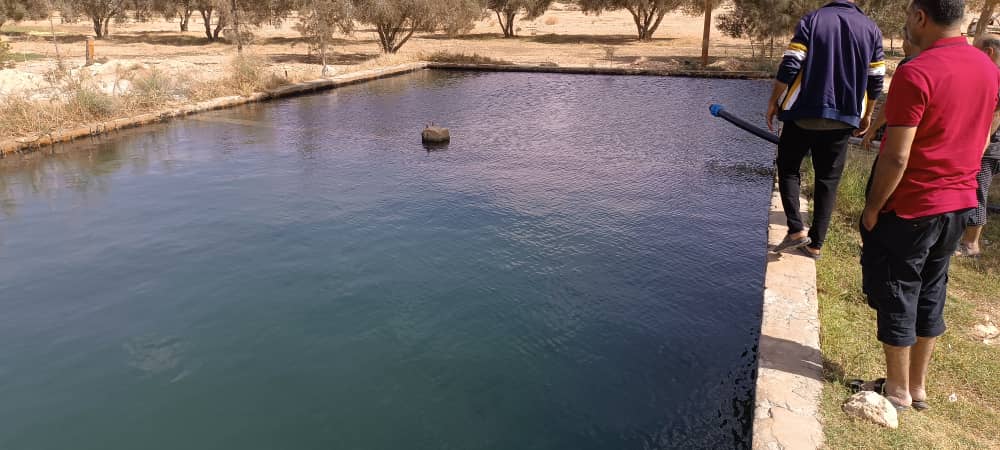
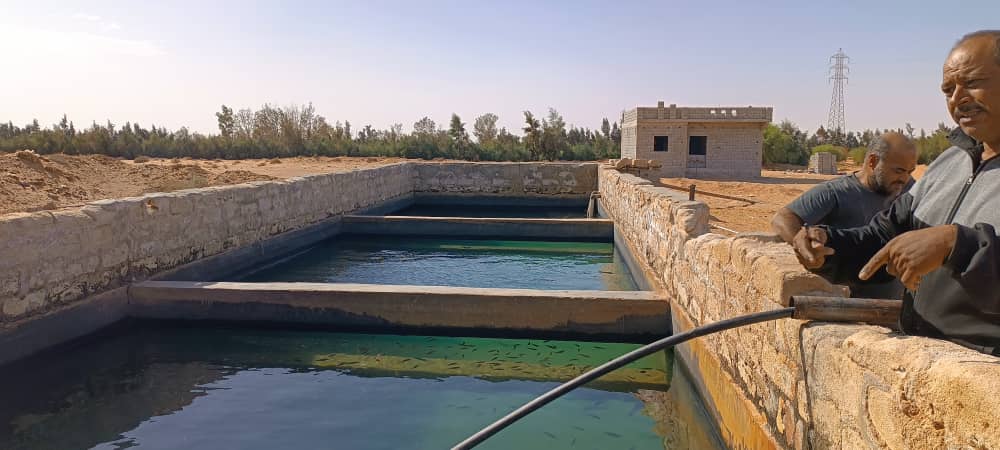
● Freshwater farms: These are farms that depend on freshwater sources, and in Libya, groundwater is the main source of fresh water, which is concentrated in the Jafara plain, Murzuq, Ghadames, the Benghazi Plain, the Green Mountain and Kufra and Al Sareer. No aquatic farms are built around these aquifers. The second source is spring water springs and internal oases are the most important fresh springs in Libya with high productivity, with more than 170 liters per second is in Ain Dabousiya in the Green Mountain and Ain al-Zayna in Benghazi, with a flow of 5,500 liters per second. Ain Kaam, south of Al Khums, with a flow of 350 liters per second. and Ain Taurgha in Taurgha with a flow that reaches 2000 liters per second. There are several projects built on these springs, such as the Ain Taurgha farm and the Ain Ka’am farm as common for freshwater fish, but they are all out of action. The third source is surface water which are one of the important sources in northern Libya, where rainwater collects after its surface runoff in the valleys behind the dams making artificial lakes, There are about 16 major dams in Libya with a total capacity of 385 million cubic meters Wadi Kaam Dam, Al-Qattara and Al Majaneen Dam are considered the largest storage capacity, and these dams were cultivated in the past period and some types of carp fish still live naturally without care in the dam lakes until now. The fact is that the lack of fresh water sources such as rivers and lakes makes the opportunity for successful investment in fresh water farms small compared to investment in marine (brackish) water farms. Also, the demand by the local community for freshwater fish consumption is weak compared to saltwater (marine) fish.
● Brackish and semi-saline water farms: These are farms built on inland lakes that extend across the sea on the marshes. As well as the farms built on the beach that depend on pumping water directly from the sea or from the water dug well near the beach. In general, in Libya, the beach is interspersed with a number of wet areas of marshes, and salt lakes. These areas are natural outlets for the adjacent groundwater basins for water-bearing layers.There is an example of Farwa lake Ain Al Zayna, Lake Ain Al-Ghazala, Lake Umm Hefni, and Lake Ain Al-Zayna Bomba Bay, Majdoub Lake, Sabkhat Sultan, Sabkhat Atwergha, and others. Most of these sites are suitable for cultivation. And some sites have already been exploited to establish fish farms, such as Ain Al-Ghazala Farm, Farwa Farm, and Mar’a Farm Ain al-Zayna and Sabkhat-Sultan, but they are also turned off.
● Marine water farms: They are farms that are established in the open sea, where the depths are suitable for the establishment of floating and submersible cages. In Libya, there are many sites in the sea and close to the coast with depths large, exceeding five meters (which is the appropriate height for setting up a floating cage), and its waters are characterized by characteristics that make farming it achieves high productivity. Most of these sites are concentrated in the eastern region as a result of the favorable topography of the region, for example Marsa El-Bardi, Bomba Bay, Ras El-Hilal and Soussa.